
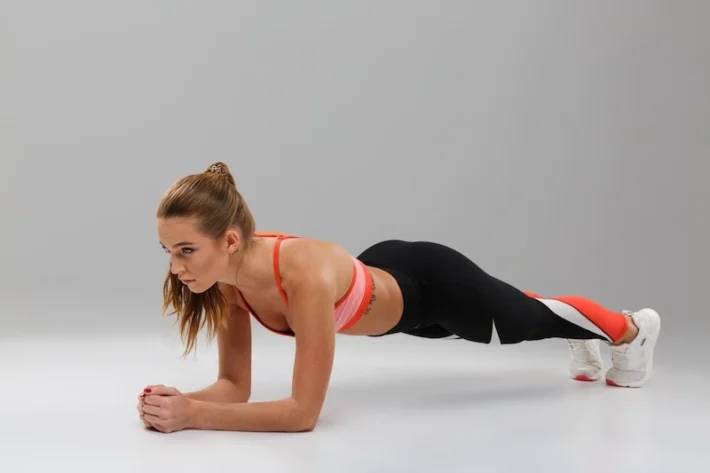
A strong core is often mistaken for firm abdominal muscles. In practice, it is much more important than that. Your core acts as the working centre of your body, helping your spine, pelvis, hips and ribcage move with control and stability. When these areas work together efficiently, everyday activities such as sitting, walking, lifting and bending can feel more comfortable and controlled.
For people looking for guided exercise, Clinical Pilates offers a structured approach to building strength, improving posture and supporting healthy movement patterns.
What does your core actually include?
Your core is not a single muscle group. It is a system of muscles that work together to support the trunk while the arms and legs move. This includes:
- Deep abdominal muscles that help support the spine
- Back stabilising muscles that assist with spinal control
- Pelvic floor muscles
- The diaphragm, which links breathing and trunk stability
- Hip and pelvic muscles that contribute to balance and movement control
This is why effective core training involves more than abdominal exercises alone. While crunches may strengthen surface muscles, they do not always improve the coordination and control needed for everyday movement.
How Clinical Pilates builds practical strength
Clinical Pilates uses controlled, low-impact exercises to improve strength, coordination and body awareness. Rather than focusing on high repetitions, the emphasis is on quality of movement and developing better control through the body.
A physiotherapist-led program may include:
- Breathing techniques to assist deep muscle activation
- Exercises that promote spinal and pelvic control
- Reformer and equipment-based exercises
- Progressive strengthening tailored to individual ability
- Modifications for pain, stiffness or previous injuries
At Morley Physiotherapy Centre, Clinical Pilates programs begin with a musculoskeletal assessment. This allows your physiotherapist to understand your movement patterns, goals and any existing concerns before developing a tailored program.
How Clinical Pilates can help posture
Posture is not about sitting or standing perfectly upright all day. Instead, good posture is about having the strength, mobility and body awareness to move comfortably between positions.
People who spend long hours sitting at a desk, driving or standing for work can develop movement habits that place additional stress on the neck, shoulders and lower back.
Clinical Pilates can help by improving:
- Awareness of spinal positioning
- Control through the pelvis and hips
- Shoulder blade movement and stability
- Mobility through the upper back
- Strength for upright postures and everyday activities
The goal is not perfect posture. The goal is to help your body move more efficiently and comfortably throughout the day.
Back support is about coordination, not bracing
Many people experiencing back discomfort try to hold their abdominal muscles tight throughout the day. While this may feel supportive initially, excessive bracing can create unnecessary tension without addressing the underlying issue.
In many cases, the back benefits more from a combination of strength, mobility and coordinated muscle activation.
Clinical Pilates may help support the back by assisting the body to:
- Activate deeper stabilising muscles
- Build strength around the trunk and hips
- Reduce reliance on overworked muscles
- Improve confidence with bending, lifting and everyday movement
- Practise movement in a supervised environment
Research suggests Pilates can have a positive effect on core muscle strength and can be beneficial for some people experiencing persistent low back pain. As with any exercise program, it should be tailored to the individual’s needs, particularly when pain or injury is present.
Why choose a physiotherapist-led approach?
General Pilates classes can be beneficial for fitness and flexibility. Clinical Pilates takes a more individualised approach.
A physiotherapist considers factors such as symptoms, movement patterns, strength, injury history, medical considerations and personal goals when designing a program.
This can be particularly valuable if you are managing:
- Recurring back or neck discomfort
- Postural concerns related to work or lifestyle
- Reduced confidence following injury
- Weakness after time away from exercise
- The need for supervised exercise before joining larger classes
A physiotherapist can assess how you move and adjust exercises as your strength, mobility and confidence improve.
Also Read: Why Consistency Matters: What Happens to Your Body When You Skip Physical Therapy
What to expect in Morley
If you are considering physio-guided Pilates in Morley, the first step is typically a physiotherapy assessment. This allows your physiotherapist to evaluate your posture, movement patterns, symptoms and goals.
Your personalised program may include mat-based exercises, Reformer Pilates and other equipment-based exercises designed to improve strength, mobility and movement control.
Ready to build better core control, posture and back support with guidance from a physiotherapist? Book a Clinical Pilates assessment at Morley Physiotherapy Centre and get a program tailored to your body, goals and movement needs.
Frequently Asked Questions:
- Is Clinical Pilates good for strengthening the core?
Yes. Clinical Pilates can help strengthen the deeper muscles that support the spine and pelvis, not just the visible abdominal muscles. Exercises are controlled, low impact and can be progressed as your strength improves. - Can Clinical Pilates improve posture?
It may help improve posture by enhancing strength, mobility and body awareness. Rather than encouraging rigid positions, it aims to help you move, sit and stand with greater control and comfort. - Is Pilates suitable for lower back pain?
Clinical Pilates may be suitable for some people experiencing lower back discomfort, particularly when guided by a physiotherapist. If your symptoms are ongoing, severe or related to a recent injury, an assessment is recommended before starting. - Do I need to be fit before starting?
No. Clinical Pilates can be adapted for beginners, people returning to exercise and those recovering from injury or managing stiffness. Programs are tailored to your current ability level and progressed gradually. - How is Clinical Pilates different from regular Pilates?
Clinical Pilates is individually tailored and guided by a healthcare professional. Programs are designed around your symptoms, movement patterns and goals, whereas general Pilates classes are usually broader in focus and less personalised.